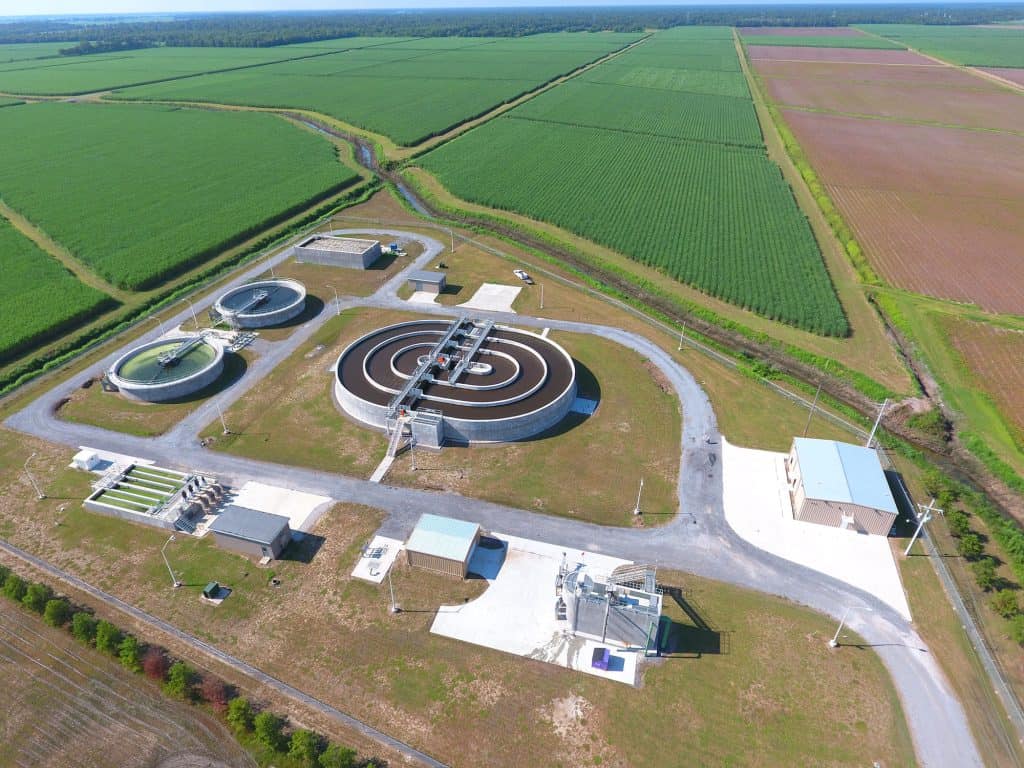
Forte and Tablada, Inc. (formerly PEC) was retained by the City of Plaquemine to design a new wastewater treatment plant (WWTP) and effluent pump station and force main to divert sewage effluent from the old WWTP to the Mississippi in lieu of its present discharge to Bayou Plaquemine funded by an OCD/DRU grant. The firm performed site investigations and selection of site, environmental reviews, ROW acquisitions, and a preliminary engineering report to define the system components. Additionally Forte and Tablada and the City were able to obtain a LADEQ 0.95% revolving loan to help pay for the program. The firm worked with DEQ to try to obtain a “grant for green WWTP components”.
The plant is an activated sludge plant with average flow of 2 MGD and peak flow of 8 MGD.
The new facility consists of the following major components:
- Headworks- consisting of screening and grit removal equipment as well as solids/grit dewatering equipment
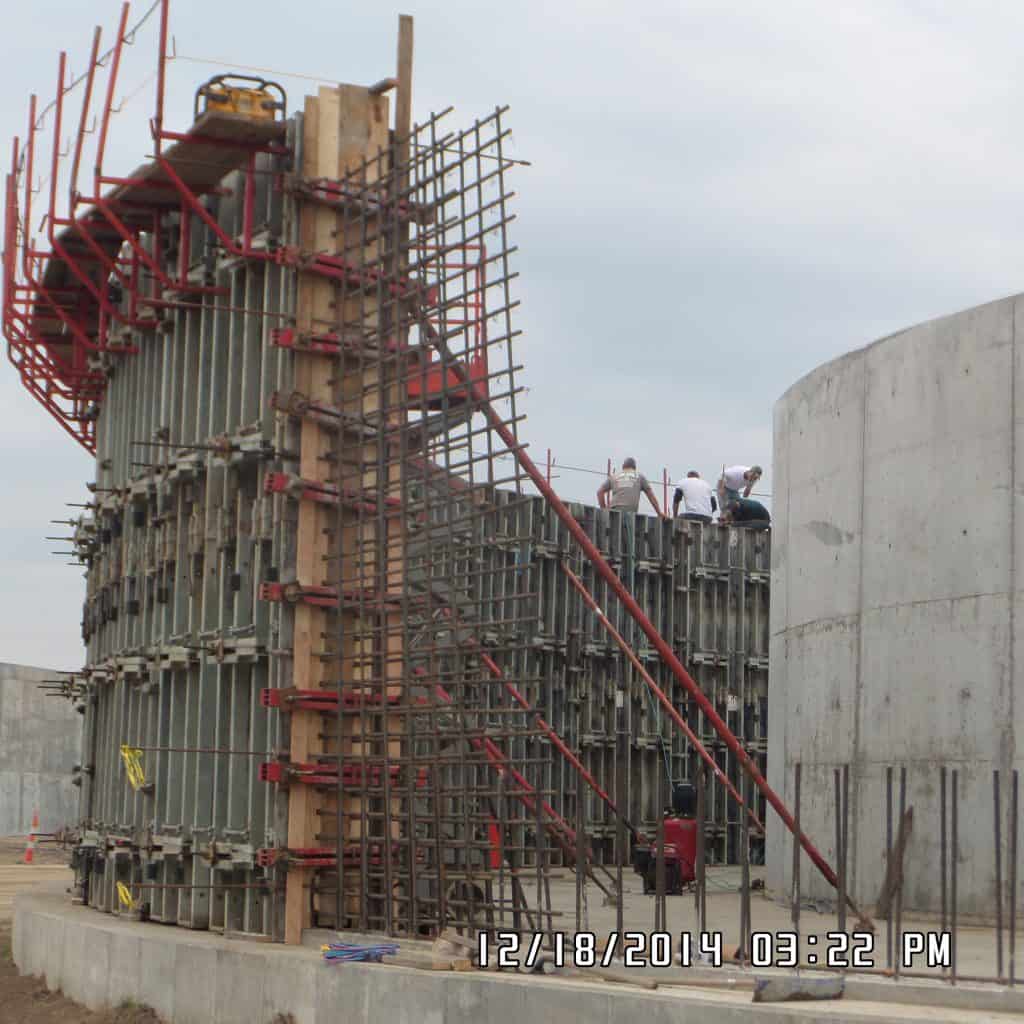
- Aeration Basins: two concrete activated sludge aeration basins with aeration equipment and flow control weirs
- Clarifiers: two clarifiers complete with weirs and sludge collection/removal equipment
- Return Activated Sludge (RAS) System: pumping station to control return activated sludge and waste sludge as necessary
- Chlorination Basins/Equipment: concrete basins with disinfection equipment and flow measurement and sampling equipment
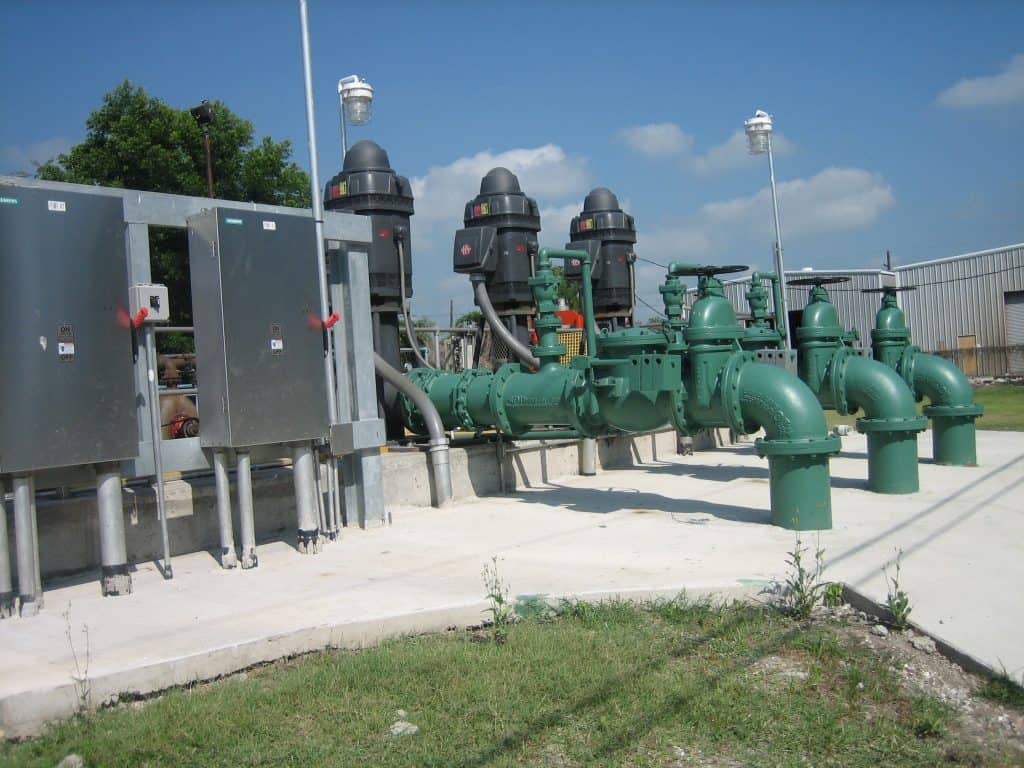
- Effluent Pump Station- pump station which will pump effluent thru existing force main to Mississippi River outfall
- Sludge Digestion/Basin: concrete basin to store and digest sludge prior to ultimate disposal
- Sludge Dewatering System: equipment/system housed in designed building to dewater sludge and prepare it for ultimate disposal
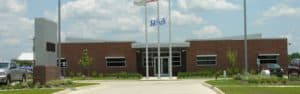
- Operations/Administration/Lab Building: multi use building for controlling and administering plant operations as well as running some lab tests for process optimization
The plant is designed to have backup/alternate power and provisions for future expansion.
A new pump station, with the same 8 MGD capacity, was constructed at the old plant site to transfer flows to the new treatment plant. The pump station uses one of the old sewage plant basins as the new wet well for the pump station. The old force main was rerouted into the new transfer pump station site. The reuse of the existing structure was identified as an alternative that would save significant dollars associated with a new wet well structure.
The old plant continued operation until the startup of the new plant. Forte and Tablada developed a decommissioning plan to abandon and/or remove the old plant structures, mechanical, process equipment and electrical systems. The old plant is a concrete activated sludge plant with a capacity of 1 MGD ADF and 8 MGD peak hourly flow. The decommissioning plan identified the elements to be removed, procedures to ensure environmental compliance, a strategy and timeline for structure demolition and mechanical removal. An evaluation of potential salvage value of plant components is an essential decommissioning task. Additional sludge removal procedures and site clearance and final site acceptance requirements were identified. The commissioning plan emphasized acceptable environmental removal, transport and required DEQ approval for contract adherence.
The land is owned by the Parish and all Engineering, Permitting, Testing, and Resident Inspections Costs were paid by the Parish. Forte and Tablada was responsible for the design, plan preparation, construction administration and Davis-Bacon requirements associated with the project.